
The Allure of Gambling
The allure of gambling in casinos is deeply rooted in human psychology, drawing individuals into a world filled with excitement and potential rewards. The rush of adrenaline experienced when placing a bet is often likened to the thrill of risk-taking, a fundamental aspect of human nature. Gamblers are frequently motivated by the prospect of winning, which can trigger the brain’s reward system, releasing dopamine—a neurotransmitter associated with pleasure and satisfaction. Many players enjoy exploring various gaming options, including online pokies new zealand , which adds to the excitement and variety of their gambling experience. This chemical reaction creates a powerful feedback loop that compels individuals to return for more, despite the inherent risks involved in gambling.
Moreover, the environment within casinos is specifically designed to enhance this allure. Bright lights, engaging sounds, and the sight of others winning create an atmosphere that amplifies excitement. This sensory stimulation can lead to a euphoric experience, blurring the lines between entertainment and compulsion. The design of casinos often encourages players to stay longer and gamble more, utilizing psychological tricks to keep them engaged and unaware of the time and money being spent.
Addiction also plays a significant role in the psychology of gamblers. The anticipation of a big win can overshadow the possibility of loss, leading gamblers to chase their losses and engage in increasingly risky behavior. This mindset can result in a distorted perception of their chances of winning, often referred to as the “illusion of control.” Gamblers might believe that they can influence the outcomes of games of chance, leading them to make irrational betting choices in pursuit of elusive victories, which can perpetuate a cycle of gambling that is difficult to break.
The Role of Emotions in Gambling
Emotions significantly influence gambling behavior and decision-making processes. Gamblers often experience a rollercoaster of emotions, from the highs of winning to the lows of losing. These emotional fluctuations can lead to impulsive choices, as the desire to regain lost funds or extend moments of joy clouds judgment. This emotional dependence on winning leads some individuals to gamble excessively, further entrenching them in a cycle of financial strain and emotional distress. The thrill of a win can create a temporary high, while losses can lead to despair, driving individuals to gamble more in search of that next big win.
Furthermore, the social aspect of gambling evokes strong emotional responses. Many people engage in gambling in groups, which amplifies excitement and camaraderie. However, this social gambling can also lead to peer pressure, where individuals feel compelled to participate or bet larger amounts than they typically would. The approval or expectations of friends can push someone to gamble beyond their means, creating a dangerous dynamic fueled by both emotion and social influence. This social context can make it even harder for individuals to acknowledge their gambling habits and seek help.

Additionally, the psychological concept of loss aversion plays a critical role in how gamblers react to wins and losses. Research shows that people tend to prefer avoiding losses over acquiring equivalent gains. The pain of losing often feels more intense than the pleasure of winning, leading to behaviors such as gambling more aggressively after a loss in an attempt to recover. This cycle can trap gamblers in a never-ending loop of chasing losses, which exacerbates emotional distress and can lead to serious financial and relational problems.
The Impact of Environment on Gambling Behavior
The physical environment within a casino significantly affects a gambler’s behavior and decision-making processes. Casinos are meticulously crafted to optimize engagement, using elements like layout, lighting, and sound to create an immersive atmosphere that encourages prolonged play. For instance, the strategic placement of games, the absence of clocks, and the overall lack of natural light contribute to a sense of timelessness, making it challenging for gamblers to maintain awareness of how much time and money they are spending.
Moreover, casinos often provide complimentary drinks and other incentives to heighten the gambling experience while simultaneously lowering inhibitions. These tactics play into the psychological phenomenon known as the “sunk cost fallacy,” where individuals continue to invest money into a game to avoid acknowledging their earlier losses. As a result, the combination of various environmental factors can significantly influence a gambler’s capacity to make rational decisions, often leading to regrettable choices driven by the atmosphere around them.
In addition, the presence of other gamblers can sway individual behavior. Observing others engaging in successful plays can create a sense of urgency and a feeling of community, encouraging participation even when the odds may not be favorable. This social proof can lead individuals to model their behavior after those around them, often resulting in increased bets and riskier play. Consequently, the casino’s environment plays a crucial role in shaping not only individual gambling experiences but also collective gambling behaviors, further complicating the psychology of gambling.
Addiction and Recovery in Gambling
Gambling addiction is a complex behavioral health issue that can devastate lives and relationships. Characterized by an uncontrollable urge to gamble despite negative consequences, it often stems from a mix of psychological, emotional, and environmental factors. Understanding the pathways to gambling addiction can help identify individuals at risk and provide support for those struggling with compulsive gambling behaviors. This addiction often intertwines with other mental health issues, including depression and anxiety, complicating recovery efforts.
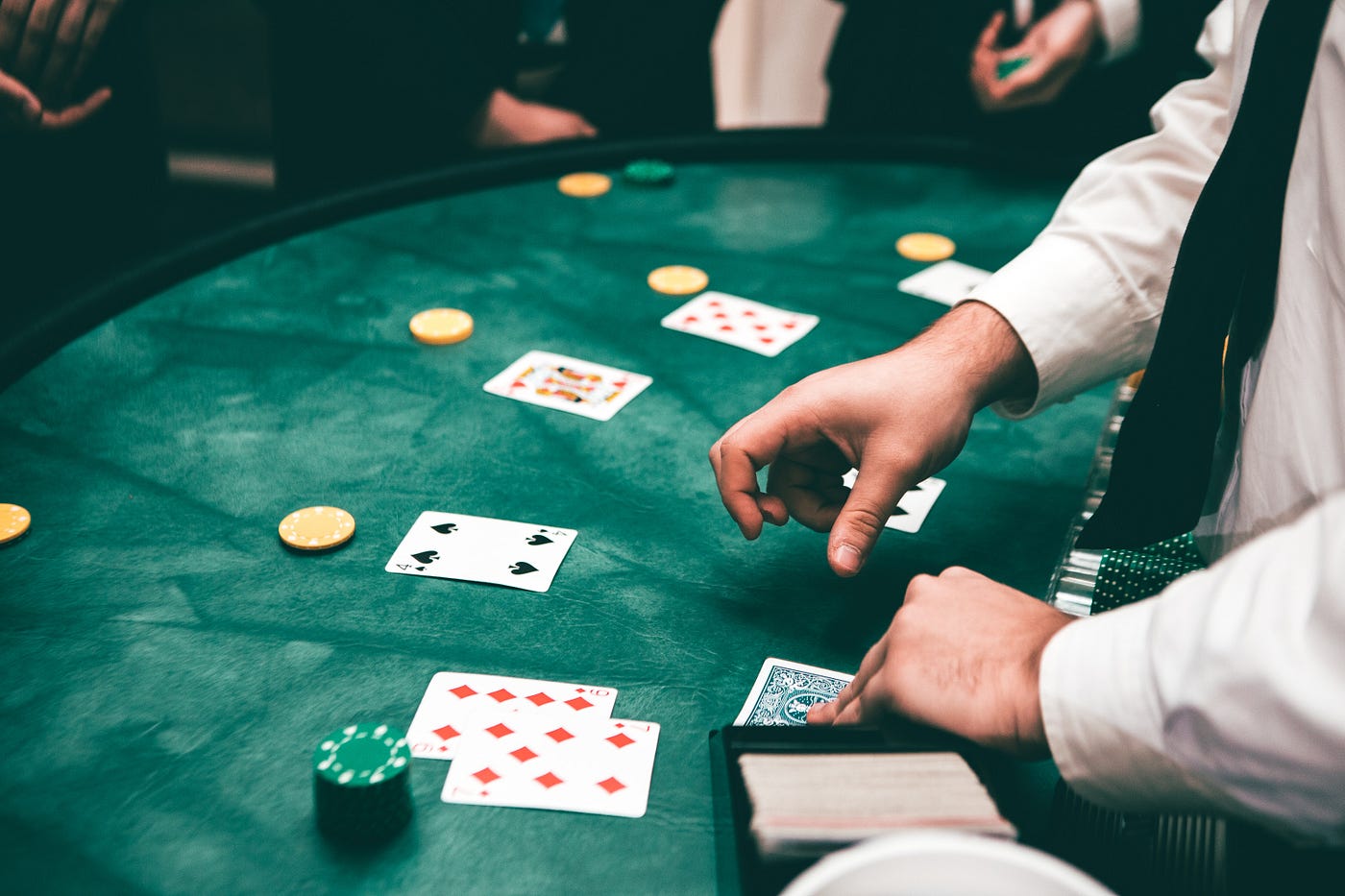
Efforts toward recovery generally involve therapy and support, emphasizing the importance of addressing underlying emotional and psychological issues. Cognitive-behavioral therapy is often employed to help individuals recognize harmful thought patterns and develop healthier coping mechanisms. Support groups can also play a vital role, providing a sense of community and shared understanding among individuals facing similar struggles. This connection serves as a cornerstone for healing, fostering accountability and encouragement in recovery journeys.
Moreover, many casinos have begun implementing responsible gambling practices, aiming to protect vulnerable individuals while promoting a safe gambling environment. These initiatives include self-exclusion programs, where individuals can voluntarily ban themselves from gambling activities for a designated period. Education within the casinos about the risks of gambling and access to resources for addiction treatment highlight a growing awareness of the psychological impact of gambling, promoting a more responsible entertainment culture that acknowledges the potential for harm.
Visit Our Website for More Insights
To delve deeper into the intricate psychology behind gambling and gain a more comprehensive understanding of its effects, you can explore our website. We provide a wealth of resources, from articles and studies to expert insights on gambling behavior, addiction, and recovery. By fostering an engaging and informative online community, we aim to support individuals and families affected by gambling issues while promoting responsible gaming practices.
Our platform also encourages discussions around the psychological aspects of gambling, aiming to raise awareness and foster understanding of the complexities involved. Visitors can access tips on how to engage in gambling responsibly, alongside strategies for recognizing the signs of addiction and obtaining help. We believe that education is a powerful tool in combating the negative aspects of gambling, and we are committed to providing the information needed to make informed decisions and promote healthier gambling habits.
We invite you to join our community and share your experiences or questions. Engaging with others who understand the nuances of gambling can be invaluable in navigating its challenges. Remember, knowledge is key to making better choices and fostering a healthier relationship with gambling, whether for entertainment or otherwise.